quality Waterloo Storage Sheds for your project
Make the Most of Your Space: The Definitive Guide to Selecting the Perfect Storage Shed
Picking the best storage shed is essential for optimizing outdoor space successfully. It requires careful consideration of individual needs, available space, and suitable options. A well-chosen shed not only meets functional purposes but also improves the overall appeal of a home. Navigating these factors can be challenging. What qualities will truly matter most? Exploring these considerations can lead to a more organized and rewarding outdoor space.
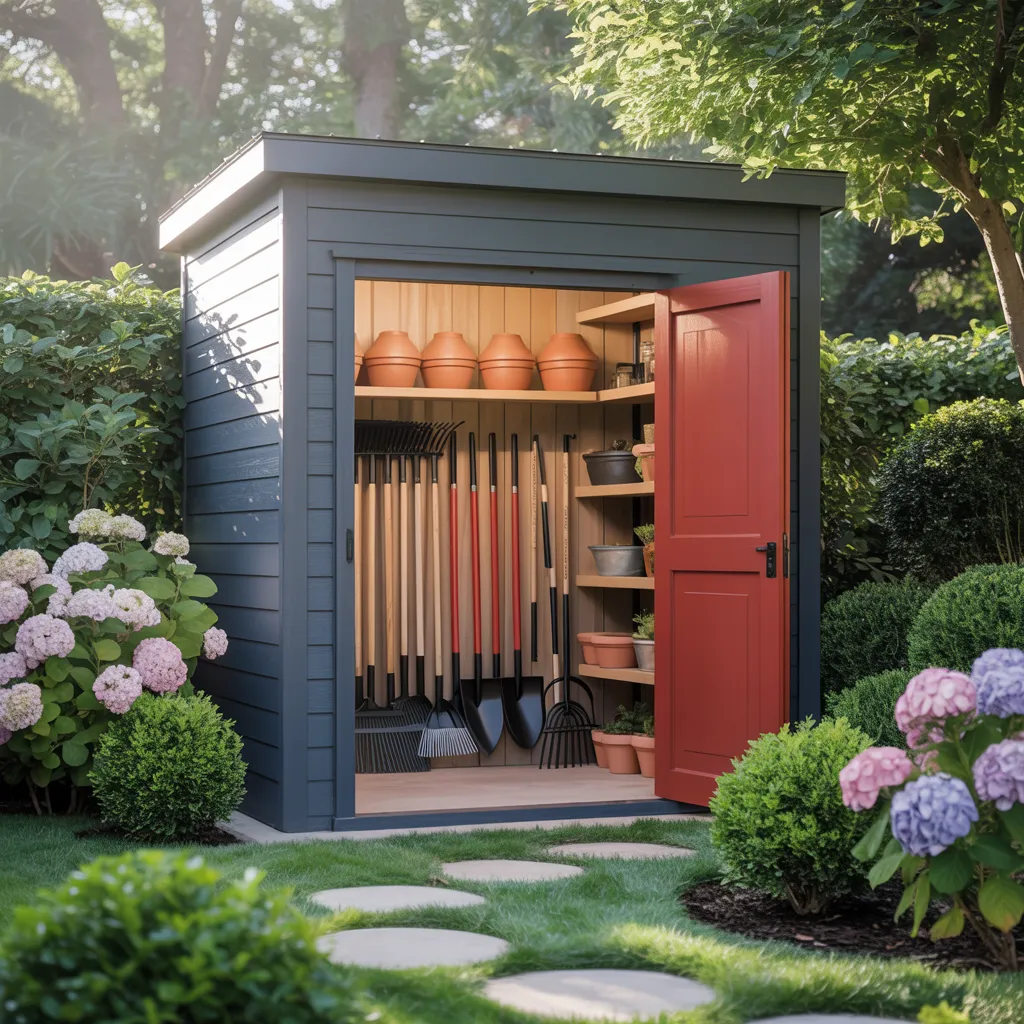
What Would You Use a Storage Shed For?
When thinking about the purchase of a outdoor shed, one might question what specific needs it will serve. Determining these requirements is important for making an informed decision. Many homeowners need extra space for landscaping tools, exterior gear, or holiday decorations. A outdoor shed can also serve as a workshop for hobbies, creating a dedicated area for woodwork or handmade creations.
Some individuals may consider a shed to keep bicycles, lawnmowers, or pool supplies, ensuring these items are protected from the elements. Additionally, for individuals who have animals, a shed can serve as a secure area for animal accessories or a comfortable haven for pets.
In the end, knowing the primary purpose of the shed will guide the selection process. Properly evaluating needs allows for a highly personalized and efficient choice, ensuring the shed effectively enhances organization and maximizes available space in the yard or garden.
How Much Space Will You Need?
Figuring out the ideal size for a storage shed involves assessing individual storage needs. Recognizing what belongings will be kept inside and examining the available space are fundamental steps in this process. Moreover, using reliable measurement techniques can ensure a functional fit within the chosen area.
Evaluating Your Storage Requirements
How can one accurately gauge their storage needs? To begin, taking stock of items that need to be stored is crucial. These may consist of seasonal items, tools, outdoor gear, and additional belongings that lack space inside the house. Sorting items based on their dimensions and how frequently they are accessed can provide greater clarity on what is required.
Furthermore, reflect on the long term; forecasting possible additions can assist in accurately gauging space requirements. Additionally, individuals should assess whether they require dedicated storage shelves, work areas, or open floor areas for larger items.
Last but not least, it is important to factor in accessibility. Confirming that often needed items are easily reachable can influence the overall size and layout of the storage solution. By methodically examining these factors, one can reach well-informed conclusions about the best storage shed.
Space Measurement Methods Available
To accurately measure available space for a storage shed, individuals must first assess their outdoor area and identify any physical constraints, including property boundaries, trees, or pre-existing structures. After this, they should use a tape measure to record the dimensions of the chosen placement area, ensuring that adequate clearance around the shed is factored in for accessibility and proper ventilation. It is also advisable to visualize the shed's footprint, either with stakes or chalk, to confirm the fit within the designated space. Furthermore, taking local zoning regulations into account can affect both the placement and dimensions of the shed. In the end, a comprehensive measurement process ensures that the chosen storage shed will blend naturally into the outdoor space while optimizing its functional utility.
Which Materials Should You Choose for Your Shed?
When selecting a storage shed, the choice of materials significantly affects durability, maintenance, and aesthetics. Common materials include wood, metal, and plastic, each offering distinct advantages.
Wooden sheds offer a timeless appearance and are highly customizable but demand routine care to guard against rot and infestations. Metal sheds, typically constructed from galvanized steel or aluminum, are robust and resistant to weather but can be susceptible to rust if not properly treated. They generally need very little maintenance.
Plastic sheds, manufactured from durable resin or high-density polyethylene materials, are remarkably lightweight, highly resistant to rot and decay, and virtually maintenance-free, making them an ideal choice for individuals who prioritize convenience.
Ultimately, the decision should take into account personal preferences regarding style, long-term maintenance capabilities, and the intended use of the shed. Each available material comes with its own set of benefits, making it essential to assess personal needs before reaching a final decision.
How to Align Your Shed Style With Your Home's Look
Picking a storage shed that suits the look of a home boosts both usability and curb appeal. To achieve this, homeowners should begin by evaluating the architectural characteristics of their property. For example, a modern residence could benefit from a streamlined, minimalist shed, whereas a classic house may be better suited to a timeless wooden shed with ornate trim.
Color matching is equally important; ensuring the shed's shade complements the home's exterior promotes a harmonious aesthetic. Homeowners should consider their landscape as well; blending the shed with the property's natural surroundings will elevate its overall attractiveness.
In addition, the storage shed's scale should match the size of the house and adjacent structures, ensuring it doesn't dominate or seem insignificant. Ultimately, the purpose is to create a balanced integration between the outbuilding read this article and the property, elevating the overall curb appeal while supplying ample space for storage.
What Budget Should You Set for Your Shed?
Budgeting for a storage shed requires thoughtful evaluation of multiple factors. Important factors including size, material, and design significantly impact the total cost. Being aware of these elements plays a vital role in developing an accurate budget that aligns with both requirements and preferences.
Identify the Right Shed Size
How does someone determine the correct storage shed size while keeping costs in mind? The first step involves evaluating the shed's intended purpose. Recognizing whether it will hold gardening tools, outdoor furniture, or larger equipment can impact the size needed. Next, it is critical to assess the yard's available space, ensuring ample room for the shed while keeping local zoning regulations in mind. Budget considerations also play a key role; larger sheds tend to require a higher investment. Therefore, focusing on needs rather than wants can assist in reaching a cost-effective decision. Moreover, accounting for future storage requirements can avoid the need for an additional purchase, ultimately saving money in the long run.
Materials and Design Pricing
What elements should someone take into account when estimating the costs of materials and design for a outdoor storage structure? First, the selection of construction materials greatly influences the total expenditure. Popular selections encompass metal, wood, and plastic, all of which differ in cost and longevity. Additionally, the intricacy of the shed design—like the style of roofing and incorporation of windows—could impact the total expenditure. Workforce costs should equally be considered, most notably for tailored designs or specialized installations. In addition, local building codes may require permits, contributing to the overall expense. It is advisable to research and compare prices from various suppliers and contractors in order to secure the most competitive rate. Ultimately, a well-planned budget that accounts for all these elements can help one make an informed decision when investing in a storage shed.
Essential Features for Your Perfect Storage Shed
Identifying the right outdoor shed entails examining several essential elements that can boost usability and strength. To begin with, proper ventilation is essential to prevent moisture buildup and shield items kept within. Integrated shelving and storage systems maximize space efficiency, allowing quick retrieval of tools and equipment. Additionally, a sturdy locking mechanism is necessary for securing your valuable belongings.
A solid foundation, whether made of concrete or wood, offers lasting stability, while durable weather-resistant materials safeguard against the elements. Think carefully about the size; it should accommodate current needs with room for future expansion. Windows that let in natural light may boost visibility, making it easier to find items.
As a final consideration, aesthetic appeal should not be overlooked. Picking a design that complements the home and yard can increase the overall value of the property. Through including these essential features, homeowners can choose a outdoor shed that satisfies practical as well as personal needs.
Commonly Asked Questions
Where Are the Ideal Spots for Installing a Storage Shed?
Ideal locations for placing a storage shed include flat, well-drained areas away from trees, ensuring sunlight exposure and accessibility. Nearness to your residence increases usability, while adhering to local codes and boundary lines remains critical.
How Do I Maintain My Storage Shed Over Time?
Proper maintenance of a storage shed requires assessing for damage, clearing debris, monitoring for leaks, and treating wooden surfaces with protective finishes. Providing sufficient ventilation reduces the risk of mold, while consistent organization ensures contents remain easy to reach and well-arranged.
Can I Customize My Storage Shed?
Yes, storage sheds can be customized in various ways. Property owners have the option to pick from various materials, finishes, sizes, and interior arrangements to match their preferences, guaranteeing the shed suits their property aesthetically and addresses their unique storage requirements.
What Permits Do You Need to Build a Shed?
Local regulations typically dictate that building permits may be required for sheds. Homeowners are advised to examine zoning ordinances, height limitations, and property boundaries, ensuring compliance to avoid fines or potential removal of the structure.
How Can I Protect My Storage Shed Against Theft?
To safeguard a storage shed from burglary, one should fit heavy-duty locks, employ motion-triggered lights, reinforce doors and windows, invest in a security camera, and maintain a clear view of the shed from the house.